← BACK TO I·CTRAPULSE.
The technical
DISCUSS PULSE WITH YOUR DEALER ↗
PULSE / ENGINEERING
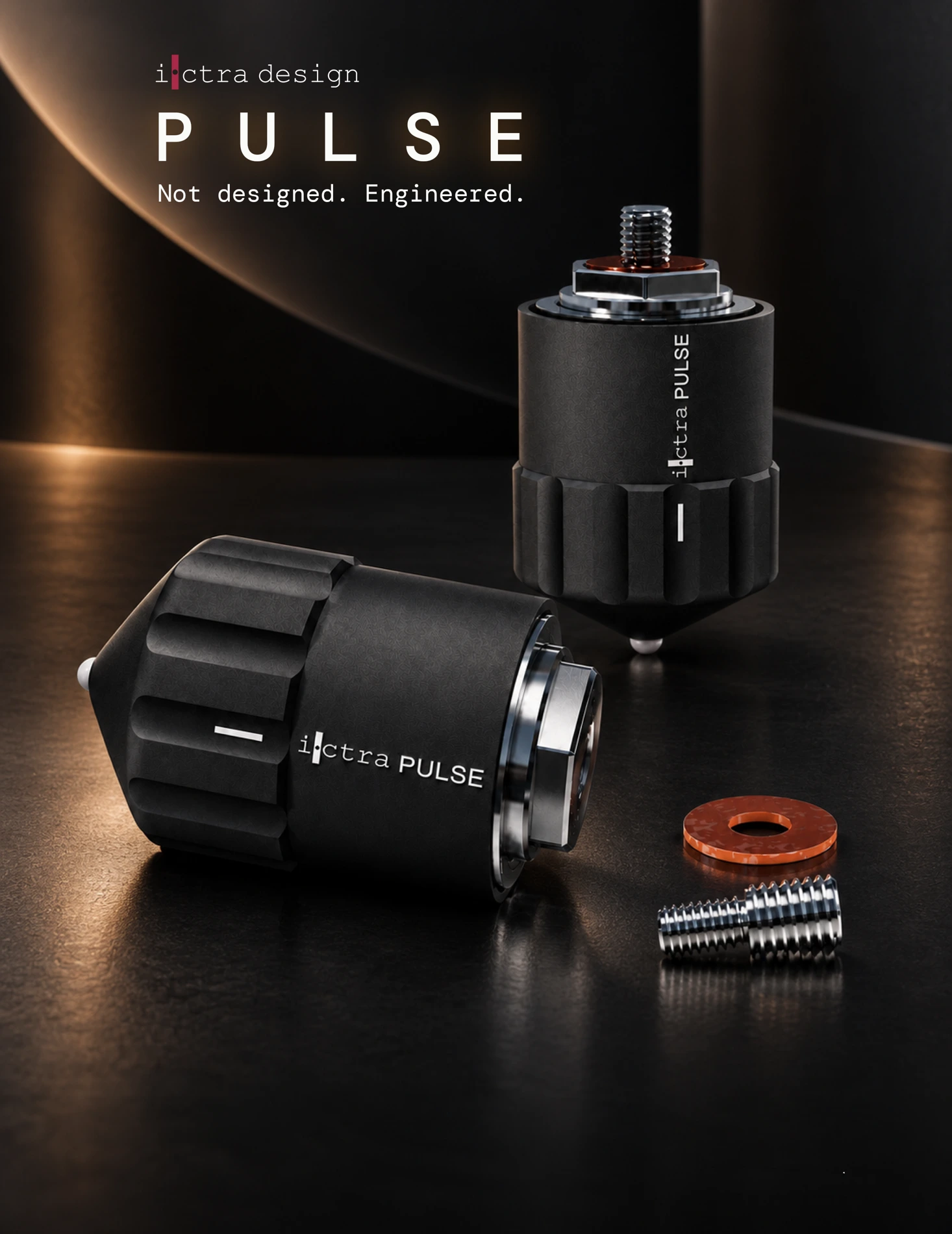
PULSE.
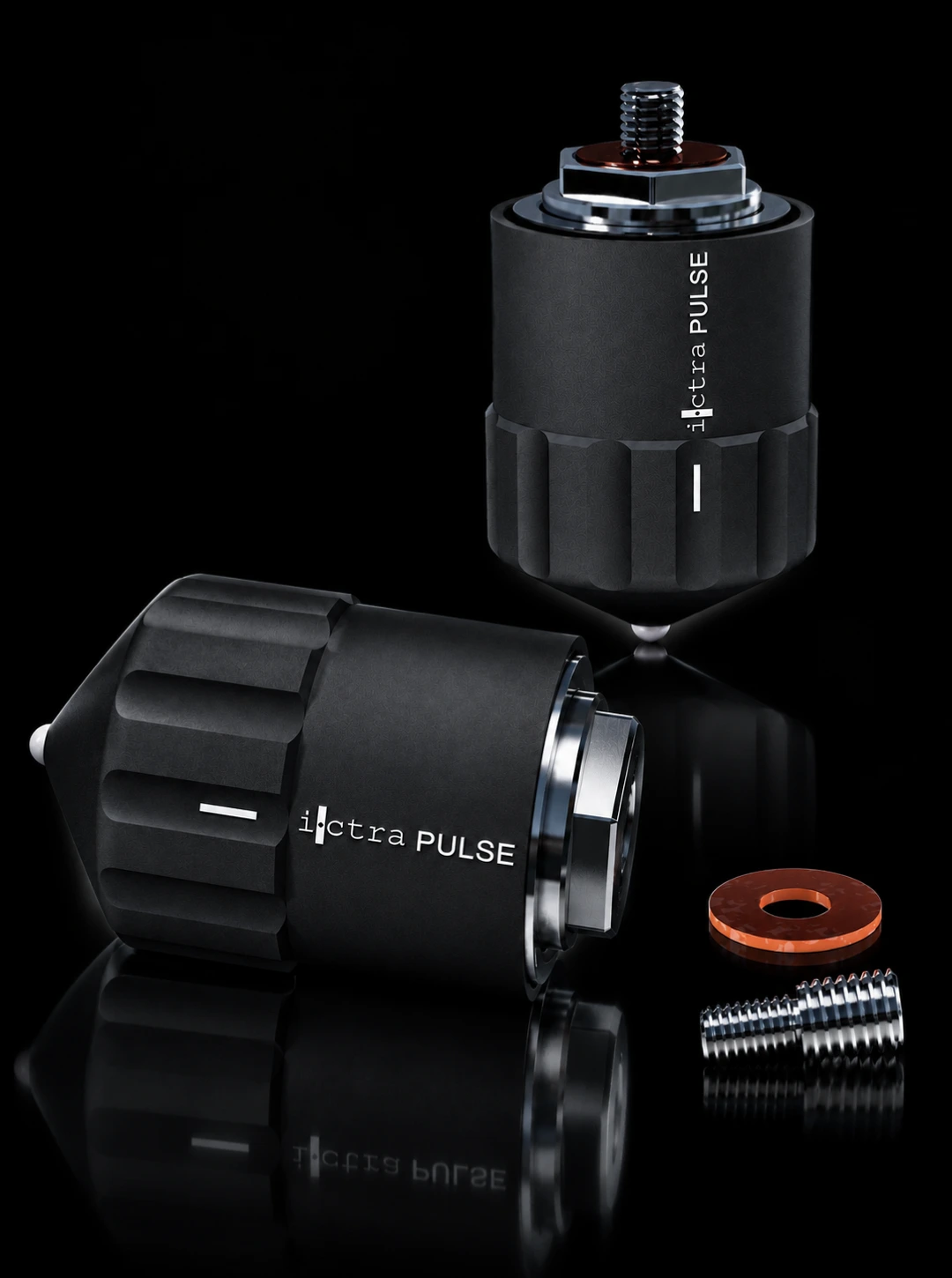
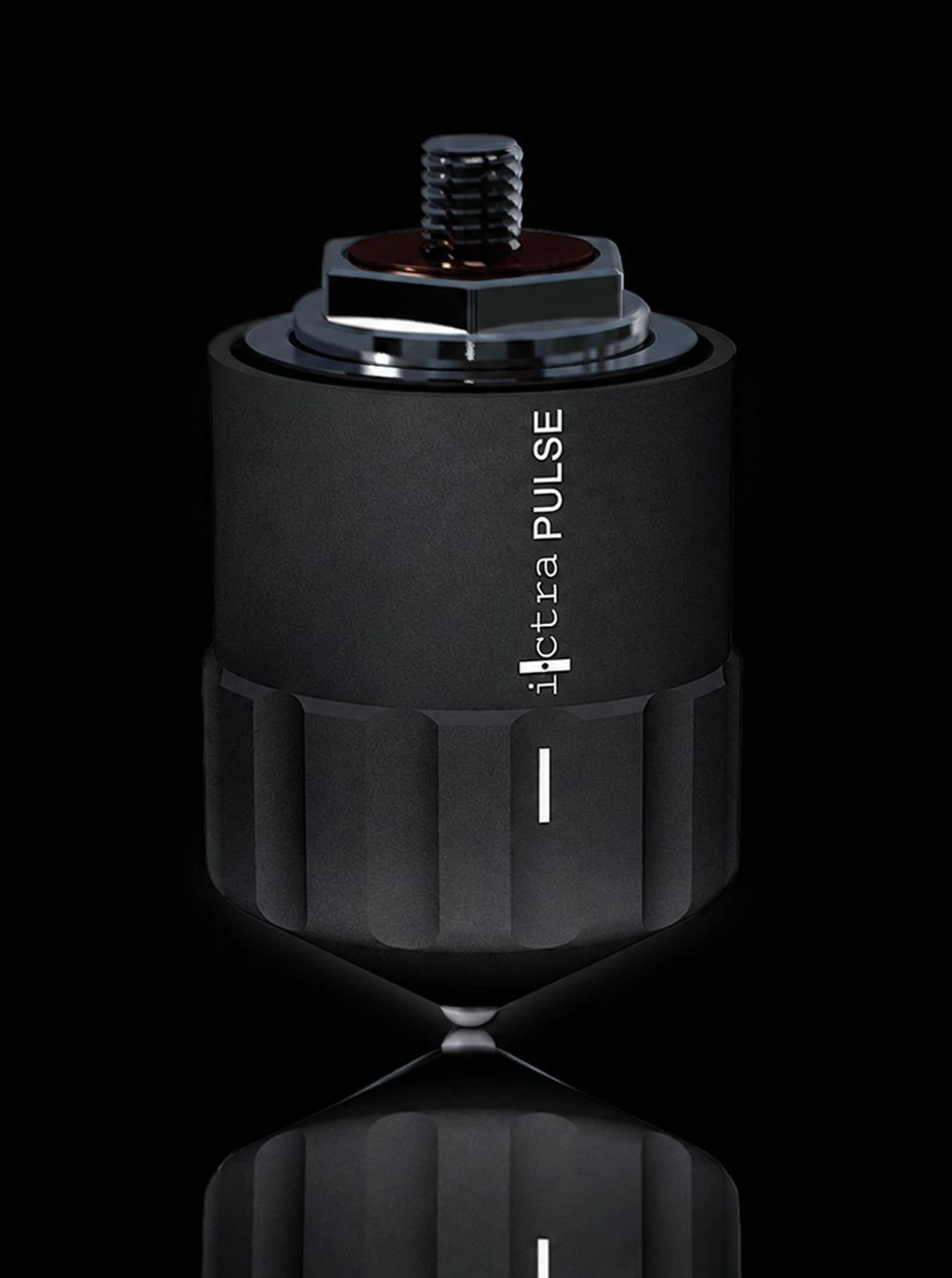
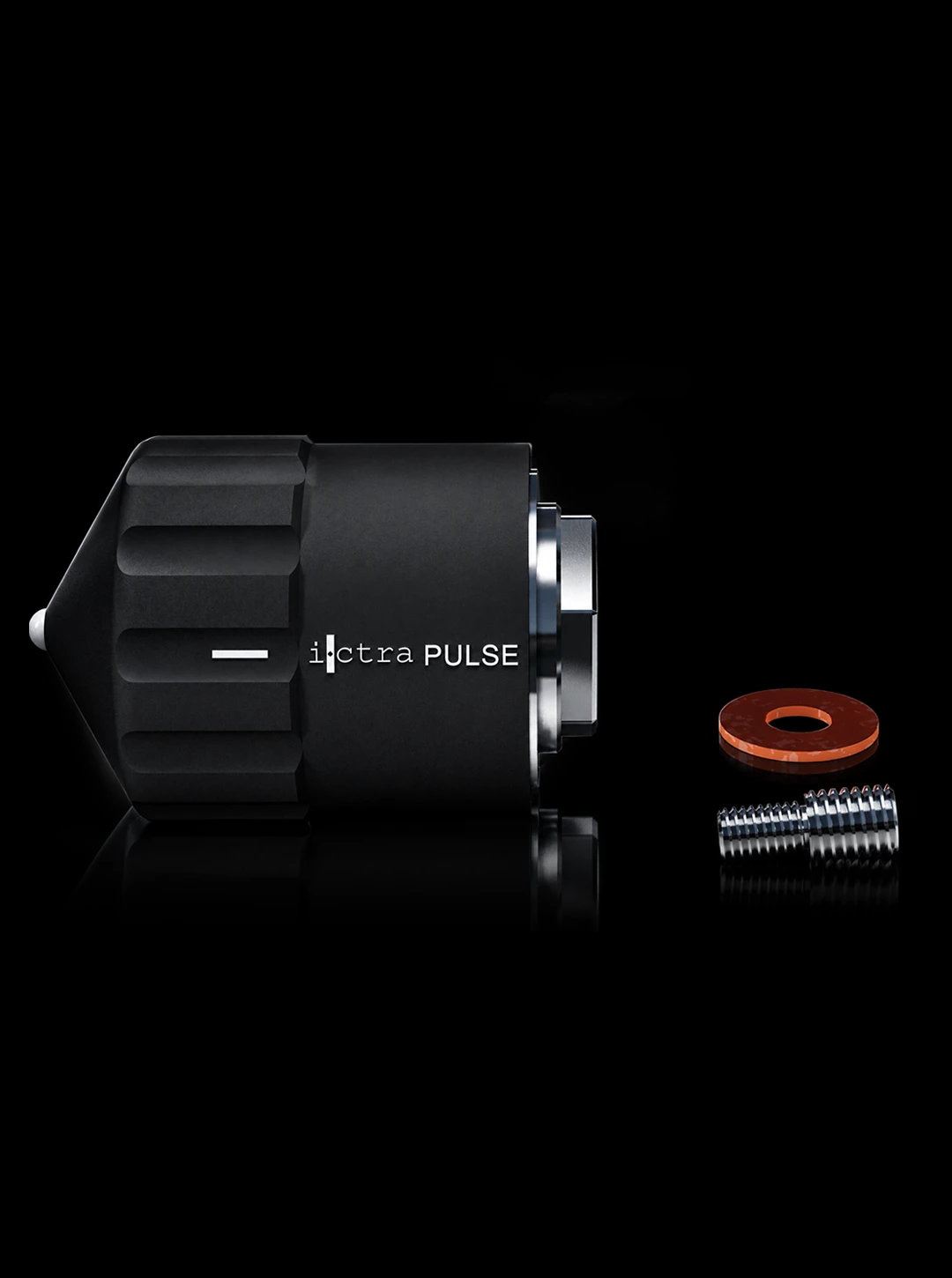
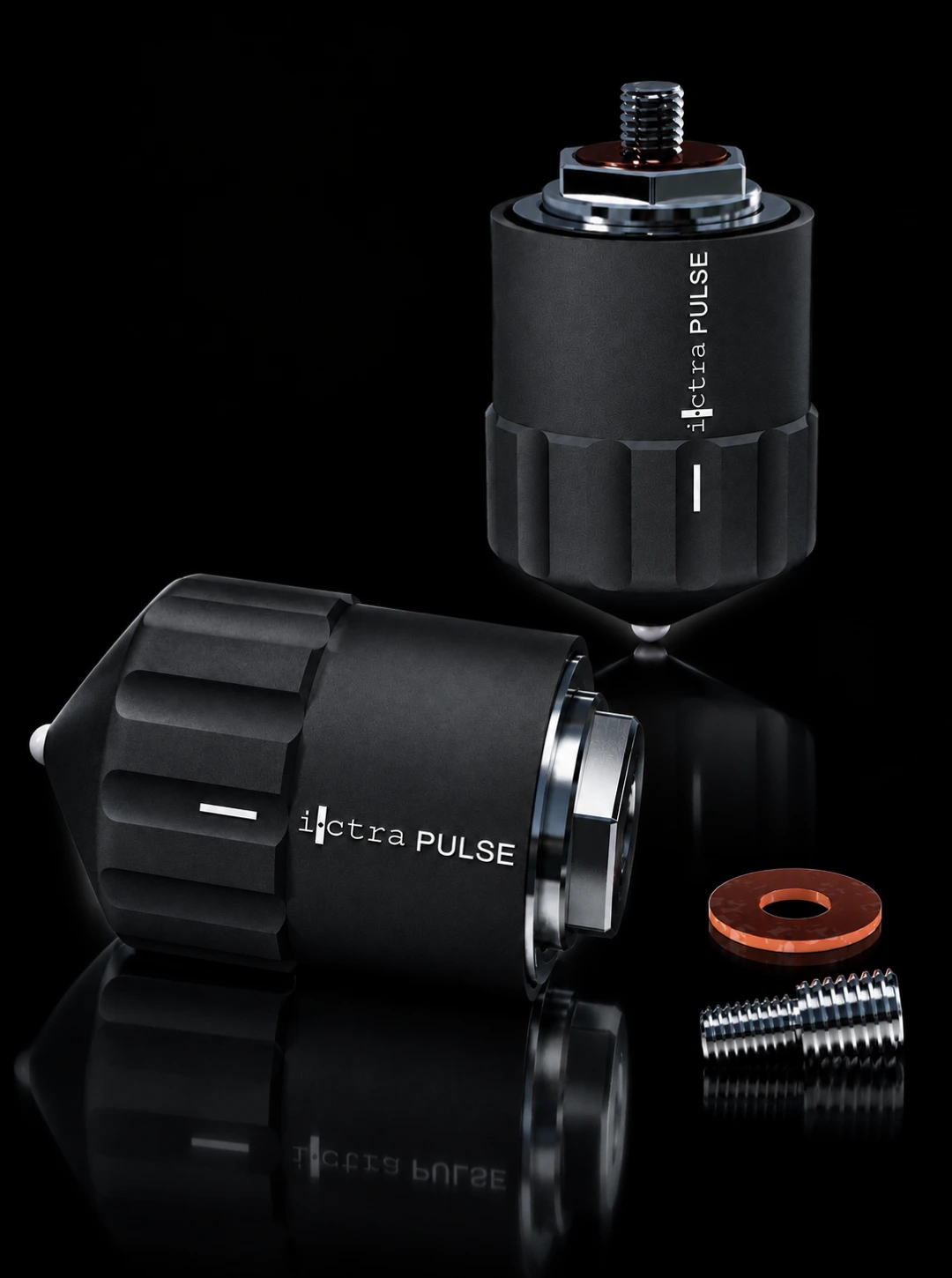
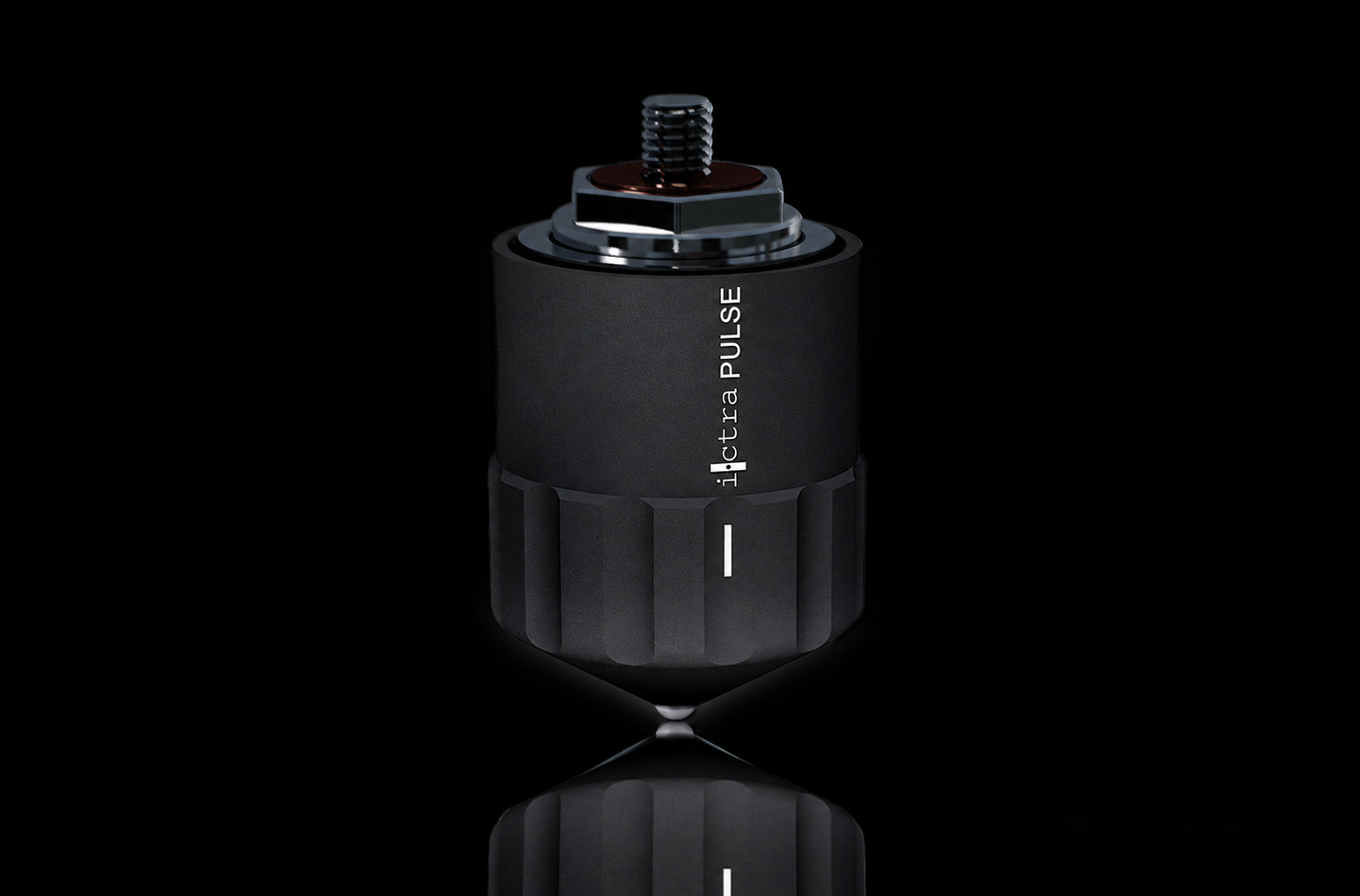
Compact audio support.
Could the idea behind SILENCER work in a more compact form?
A question about scale became a question about support, vibration and the relationship between equipment and its surroundings.
01 / THE QUESTION
A question of scale.
PULSE began with a recurring request: could SILENCER be made smaller? For Carsten, answering it meant reconsidering the engineering, rather than simply reducing the dimensions.
The work began with the PROTO and ITO racks. Observations of how their behaviour changed with the installation environment later led to the SILENCER platform.
PULSE carries that investigation into a compact support for audio equipment and loudspeakers.
“PULSE didn’t have a name at first and was born out of the idea of miniaturization.”
CARSTEN / ON THE ORIGIN OF PULSE
02 / THE PROBLEM
The surroundings are part of it.
A loudspeaker or audio component does not operate independently of what supports it. Vibration can reach it through the supporting structure and through the air.
The interaction also works in the other direction. Loudspeakers, turntable motors and vibrating enclosures can excite the surface beneath them. That surface can respond with resonances of its own.
Carsten’s starting point is this mechanical exchange: to consider the component, its support and its surroundings together.
03 / THE DESIGN TRADE-OFF
Support. And vibration control.
Carsten describes PULSE as a compromise between vertical stiffness and vibration damping. Its brief brings two demands together: supporting the equipment securely and controlling mechanical vibration.
These demands cannot be judged separately. A support must be considered in relation to the equipment, the load it carries and the surface beneath it.
PULSE is therefore a different technical proposition from SILENCER. It follows from the same investigation, but should not be understood as a scaled-down version of the platform.
04 / THE PRACTICAL REQUIREMENTS
Engineering within real constraints.
Discussions with loudspeaker manufacturers gave the project a practical brief: defined dimensions and maximum load capacity, a glossy finish and a high-quality appearance.
Cost was part of the brief too. Manufacturers wanted PULSE to remain comparable in price to the feet they were already using.
Carsten drew on his experience with SILENCER to set the intended performance goals alongside those requirements. The physical component had to bring the engineering and the application together.
05 / THE TECHNICAL CONTEXT
The technical
context.
Mechanical interaction
Carsten distinguishes vibration travelling through solid materials from vibration transmitted through the air. His account also considers sources within the equipment itself, including motors and enclosure resonances. The supporting surface is part of that mechanical system.
Stability, damping and isolation
In Carsten’s account, a stable support and effective vibration isolation are different design questions. He discusses stiffness, natural frequency and damping as related considerations, and questions the idea that spikes act as a one-way path for vibration. This is the context for the engineering trade-off behind PULSE.